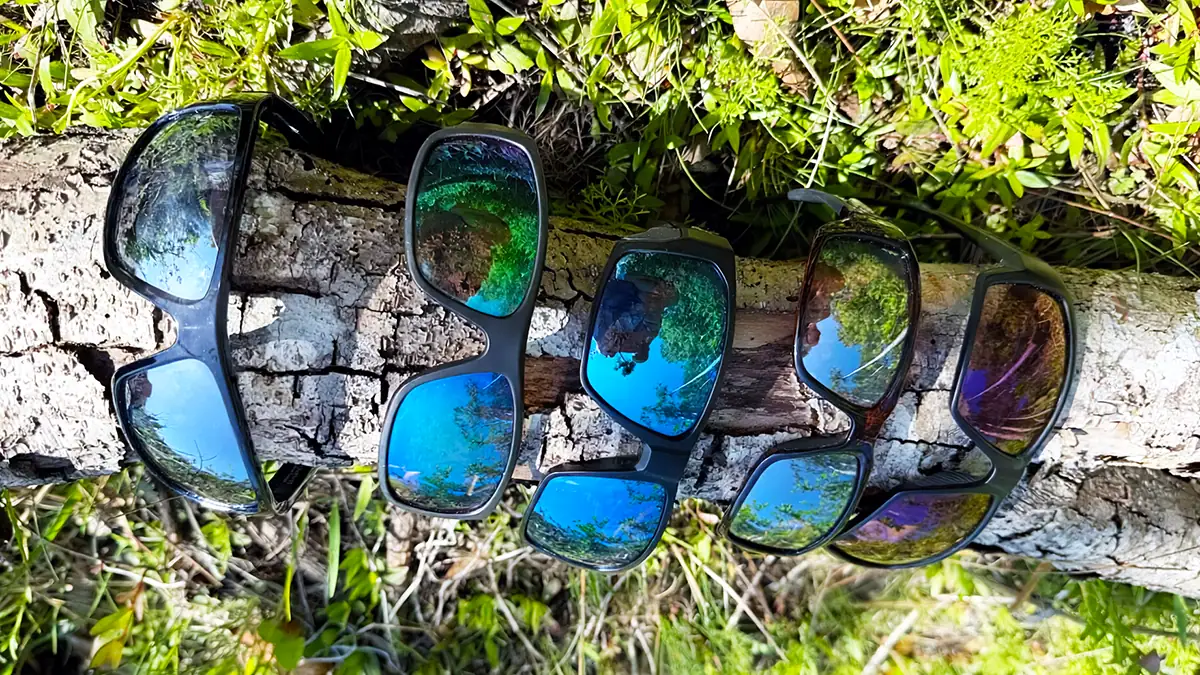
The best fishing sunglasses aren’t the same for everyone. Sure, you can say that about your truck, your boat shoes, your casting rod, or just about anything fishing related. But sunglasses for fishing are incredibly varied, encompassing everything from old-school clip-on polarized glasses to modern wrap-around styles. There are even specific men’s and women’s sunglass styles, shaped to fit the contours of each’s head shape. At Wired2fish, I tested as many as I could get my hands on. And I tested them independently of partiality from manufacturers. I used different lens colors when necessary, something that anglers must consider when fishing and something that I cover in a section near the bottom of this article.
We fished with them on the water in all conditions — I went to the beaches with them in bright sun, I hung out in the boat and kayak with them, and I went paddle boarding with them in low light conditions — just about any outdoor activity an angler might enjoy. I fish in Florida, so I got to test how these sunglasses blocked harsh sunlight in the summer. I tested them on humid and sweaty days when glasses can easily fog up. And I tested to see how they gripped your face and whether they could pierce the water when sight fishing. In fact, I tested all the most-common considerations, such as polarization quality, clarity, and blocking light from entering around the edges. In the end, Wired2fish identified some excellent shades. I tried to organize models available today into real-world categories to better help you decide what works for you. Check out the results of our hands-on testing below.
Our Top Picks
- Best Overall – Costa King Tide 8 – Buy from Bass Pro Shops
- Best Polarized Fishing Sunglasses – Bajio Cocho – Buy from Amazon
- Best Budget Fishing Sunglasses – Hobie Float – Buy from Amazon
- Best Under $50 – Torege Pure Cratos – Buy from Amazon
- Best Sunglasses For Fly Fishing – Costa Tuna Alley – Buy from Bass Pro Shops
- Best Prescription Fishing Sunglasses – Island Optics Mako XL – Buy from Tackle Warehouse
- Best For Fishing And Boating – Maui Jim Southern Cross – Buy from Amazon
- Best For Sight Fishing – Costa Reefton Pro – Buy from Bass Pro Shops
- Best For Offshore Fishing – Fin-Nor North Drop – Buy from Amazon
- Best Clip-On Sunglasses For Fishing – Hobie Duo Crescent – Buy from Hobie
- Best For Women – Bajio Coulee – Buy from Amazon
- Best For Kids and Youth – Costa Schoolie – Buy from Bass Pro Shops
- Best for Bass Fishing – Leupold Switchback – Buy from Tackle Warehouse
Best Overall Sunglasses
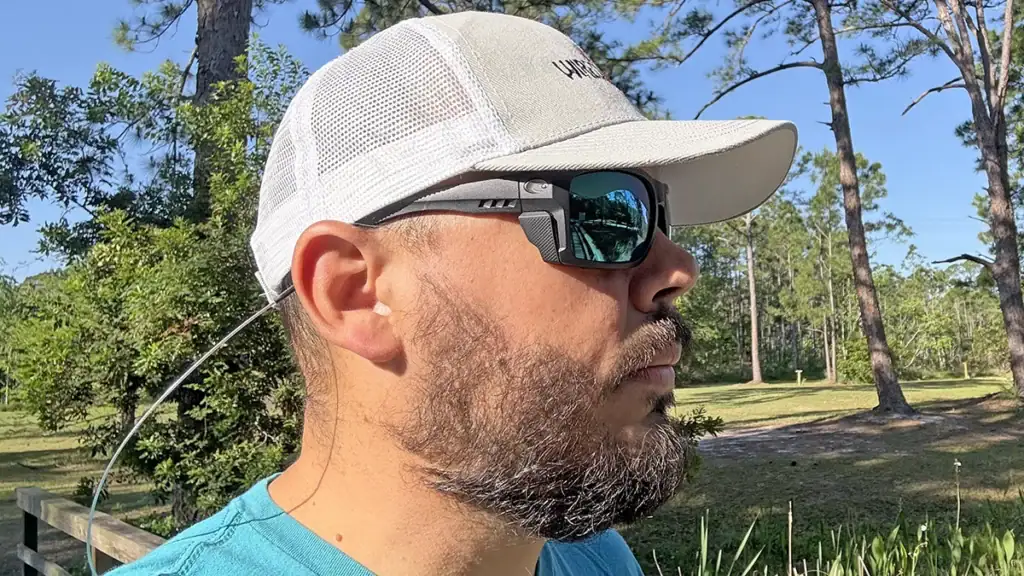
Costa Del Mar King Tide 8
The Costa King Tide 8 sunglasses were designed specifically to celebrate Costa Del Mar’s 40th anniversary, and they went above and beyond with the engineering. The “8” refers to the 8-base wrap, which provides a contoured fit that hugs your face, including removable side shields too. Those side shields look a bit robotic, but completely block side-glare and light. To me, that is one of the most important factors in quality frames.
Secondly, I noticed the glasses don’t fog up much. I’m in the Florida heat with 90 percent humidity and 90 degrees, so I’m used to water and moisture getting everywhere. But with decent airflow, I don’t ever experience that “white out” that happens sometimes in the heat. Sure, bring the microfiber cloth, but I don’t use it very much.
These shades come with Costa’s 580G glass lenses—which filter out harsh yellow light and boost reds, blues, and greens. Costa Del Mar is renowned for its lenses in the fishing world, so expect that crystal clear view. And they stay tight to your face via a shark-skin-inspired grip and non-slip Hydrolite material. I wear the King Tides whenever I know weather conditions are going to be trouble, with harsh sun, high humidity, or scattered showers in the forecast.
Best Polarized Fishing Sunglasses
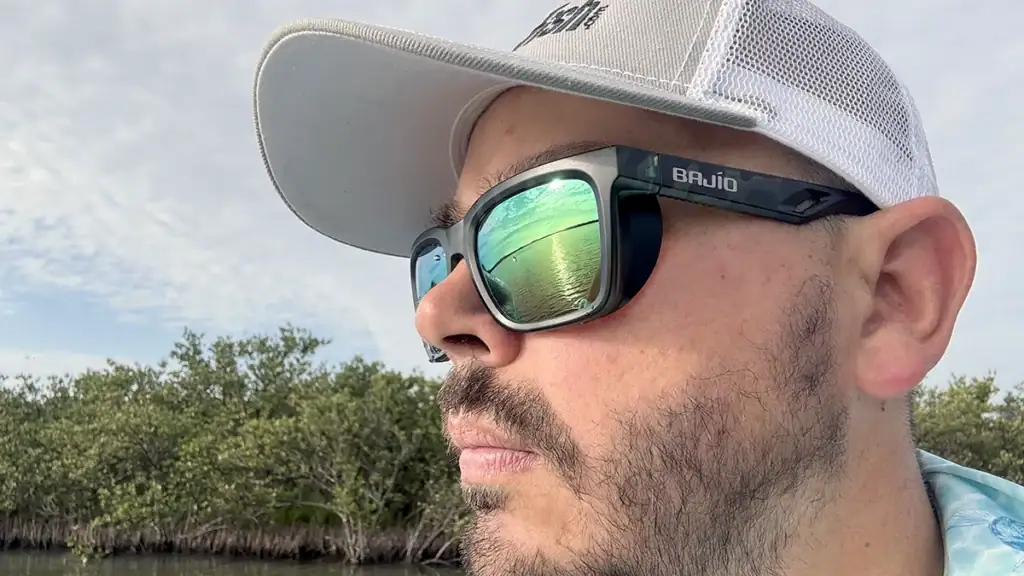
Bajío Cocho
The Bajío Cocho is an extra-large sunglass frame for those with a big noggin, designed specifically for maximum coverage. What I noticed right away are the side shields that snap into place when I want to use them. Otherwise, I actually take off the side pieces and remove them. But they block peripheral light and wind well, stop side-glare too, so I wear them religiously on the water. Just be careful, those shields will pop off if you drop the sunglasses in the boat.
You still get all the proprietary Bajio tech in the lenses. They are built with a bio-based nylon material that is lightweight and durable, plus the lenses feature LAPIS lens technology to filter out the majority of bad blue light. I do notice a pop with these lenses when scanning the water. You can get the Cocho frames in either lightweight polycarbonate or scratch-resistant glass, with seven different tint options tailored to specific lighting conditions, from deep blue to a low-light green.
Bajio sells most of its frames with glass lenses, but I actually might prefer the polycarbonate lens just because it’s lighter on my face after a day. On a recent trip, I spotted a husky seatrout amongst a school of horse mullet, and I was able to trick that trout into eating a topwater. Bajio designs and hand-assembles its products at its headquarters in New Smyrna Beach, Florida.
Best Budget Fishing Sunglasses
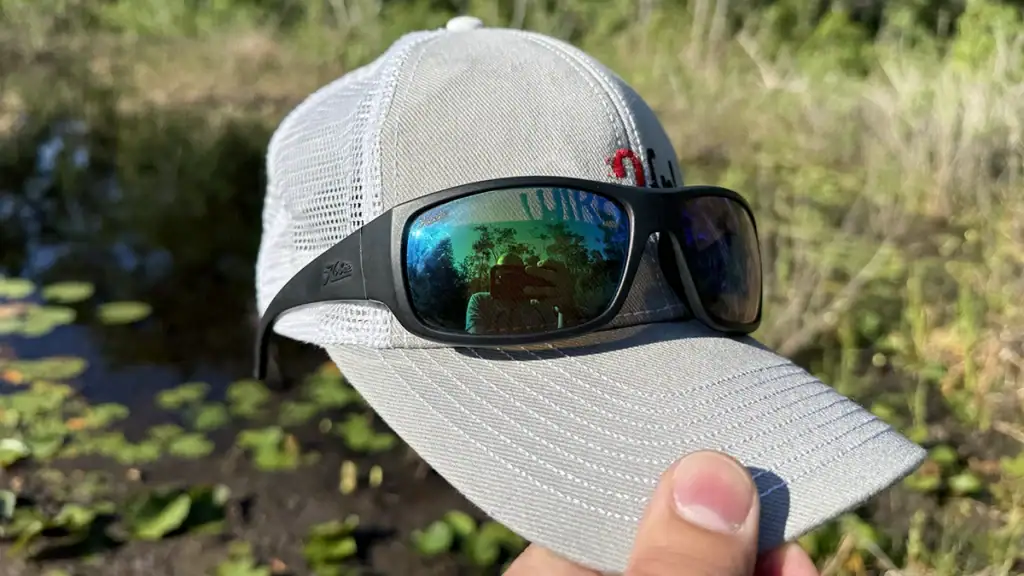
Hobie Float
Sunglasses sold for less than $100 are considered a budget in this time of inflationary pricing, so it’s worthwhile to highlight two sunglasses from Hobie: the Coastal Float and Hull Float. The Coastals (women) retail for under $100 while the Hulls are just above $100. And both these frames float in the water, solving a significant problem other frames have. If you drop the Floats in the drink, you’re not going to lose them to the depths.
I’ve used the Hull Floats ever since July of 2025. They are made from 100% up-cycled Hobie kayak plastic which is quite a clever way to reuse recycled material. The Hobie Hull Float sunglasses are equipped with bio-based, polarized nylon lenses for 100% UV protection. These high-performance shades include a HydroClean 360° coating to repel water and oils, and they are sized for medium-to-large fit faces. In my opinion, Hobie’s smart to offer these quality glasses at this price point, appealing to a larger angler audience.
Best Sunglasses Under $50
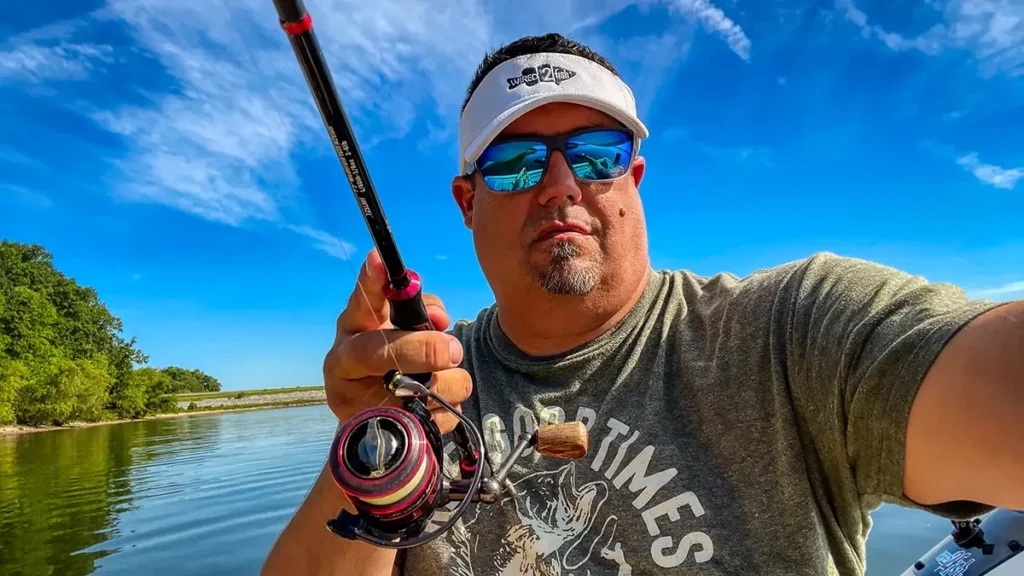
Torege Pure Cratos
I took a chance on one of those drop-shipped sunglasses off Amazon and Instagram just to compare to the others in this test. I have to be honest, I was pretty pleasantly surprised. The sunglasses came with a lanyard, a lens cleaning cloth, a soft case and a hard case.
The lenses in these weren’t the best in the test, but they were pretty good given the price. They have a hydrophobic coating that helps shed moisture from sweat or flopping bass, and have enough polarization to cut through surface glare. The frames are comfortable, and feature double-action hinges for a flexible fit. Non-slip nose pads and temples increase grip, especially on sweaty days. I can safely say the Torege Pure Cratos will satisfy any angler with a small budget, making them the top choice for the best fishing sunglasses under $50. — Jason Sealock
Best Sunglasses For Fly Fishing
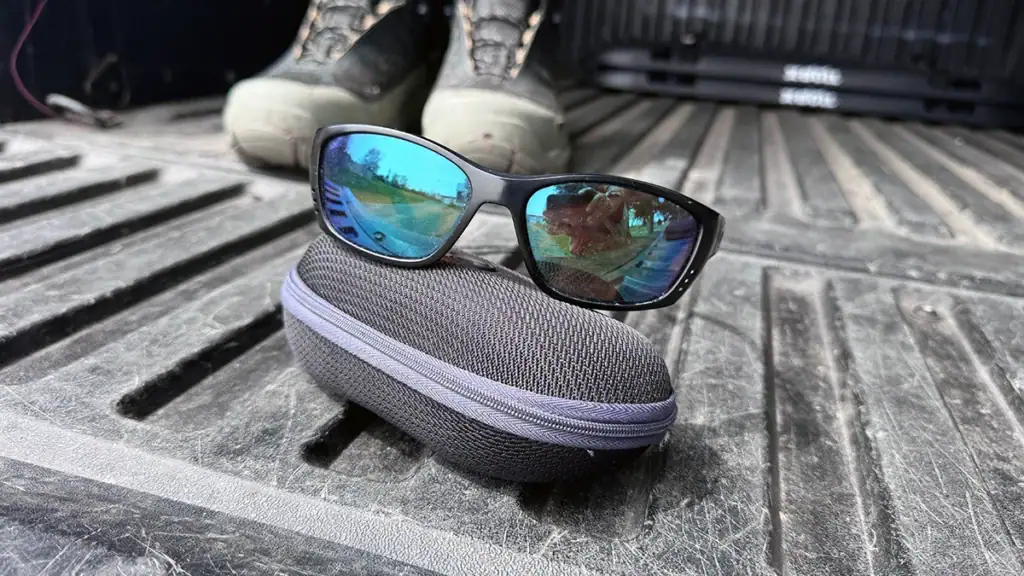
Costa Del Mar Tuna Alley
The Costa Del Mar Tuna Alley sunglasses are at the top of the list for fly fishermen because they combine high-wrap coverage with industry-leading optics. Fly anglers are often also sight fishermen, so being able to look into the water is vital. Fighting against harsh glare that mirrors off the water’s surface is key.
Costa’s 580G light-blocking polarized glass lenses are specifically tuned to filter out yellow light and enhance reds, blues, and greens. That allows us to spot subtle movements of fish beneath the surface with incredible clarity like trout, bass or bonefish. Designed with side shields and a wide-temple fit, these frames effectively eliminate peripheral light from all angles. Further, the Hydrolite nose and temple pads provide a bit of comfort for those long days.
I had a trip to Belize where these Costas came in absolutely clutch, with an amber color lens allowing me to spot spooky bonefish during mixed skies. My guide was a sight-fishing savant who could spot a grain of sand from across a football field, but I was able to keep up with help from my glasses. (Of note, the official brand name of the sunglasses is still Costa Del Mar, but anglers and company itself in lean into the “Costa” nickname, so I use both names throughout this guide.)
Best Prescription Fishing Sunglasses
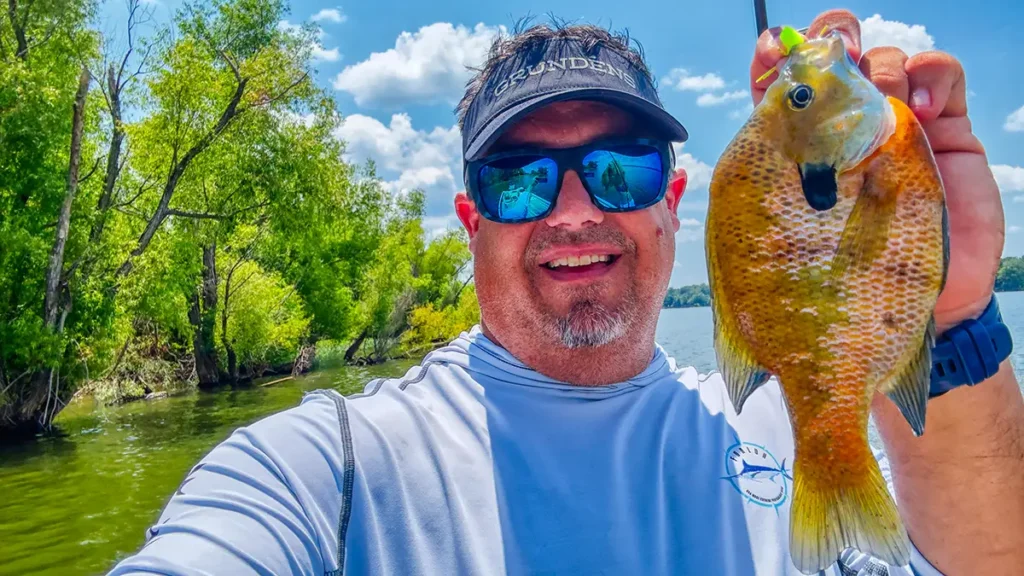
Island Optics Mako XL
It’s tough to make a good set of prescription fishing sunglasses because the wrap-around frames and narrow lenses don’t offer enough real estate for the precision grind needed to correct most vision issues. Not so with the Mako XL from Island Optics. The wide frames and tall lenses can accommodate even progressive lenses, so you can tie knots, drive boats, and identify structure without switching glasses.
Prescription sunglasses are so important for many anglers who trend older. Checking all the boxes, the Mako XL offers serious anglers one of the best bargains in a full-service pair of sunglasses for long days on the water. They offer maximum protection, with shatterproof lenses wearing high-end coatings to provide noticeable performance while on the water. The coatings on these lenses offer scratch- and sweat resistance, while also significantly cutting down blue light and reflection.
The Mako XL frames are lightweight and won’t pinch or fatigue your face while fishing on those long, hot summer days. The wider frames fit those with larger heads, but even those with smaller heads will appreciate their ability to block out stray light from the sides. Double-hinged arms keep them in place without creating pressure points, and integrated vents provide cooling airflow that helps prevent fogging. For more, read the complete Island Optics Mako XL review from Wired2fish. – Jason Sealock
Best For Fishing And Boating
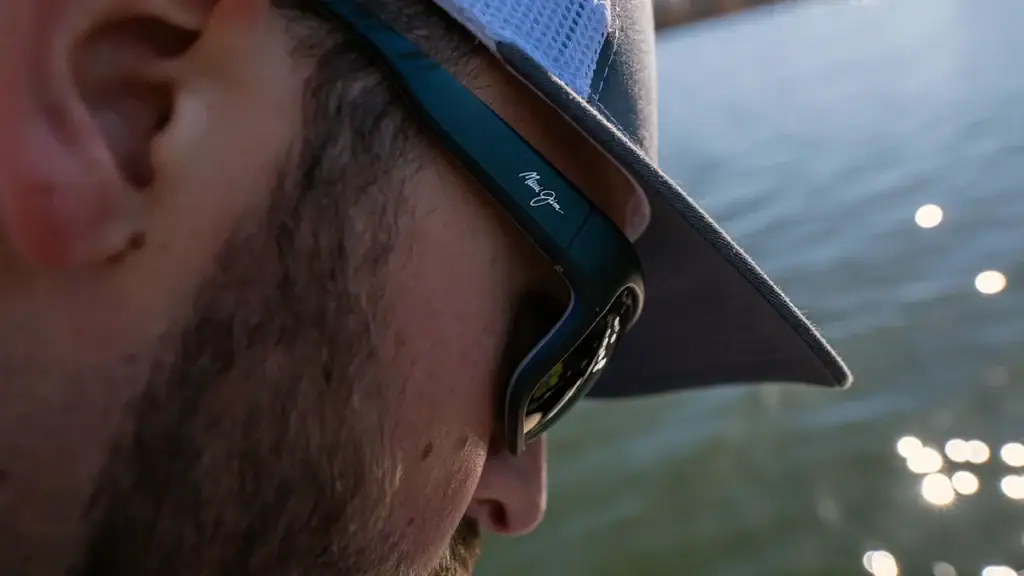
Maui Jim Southern Cross
Look, here is the bottom line: the Southern Cross glasses from Mau Jim are built like a tank but fit like a glove. The triple-injected nylon frame is tough enough to survive being tossed in a bag or dropped on the deck of a bass boat, yet it’s light enough that you won’t get those annoying pressure points behind your ears. It’s a wrap-around style, which means it actually blocks light from the sides—perfect if you’re sensitive to sun or spend all day outdoors.
The real reason people pay the premium price for Mauis are for the SuperThin Glass lenses. Most sunglasses use plastic, but these use actual glass that’s been thinned down; it’s significantly more scratch-resistant and provides plenty of clarity. You’ll notice the colors pop immediately because the polarization is baked in, not just filmed on.
Best For Sight Fishing
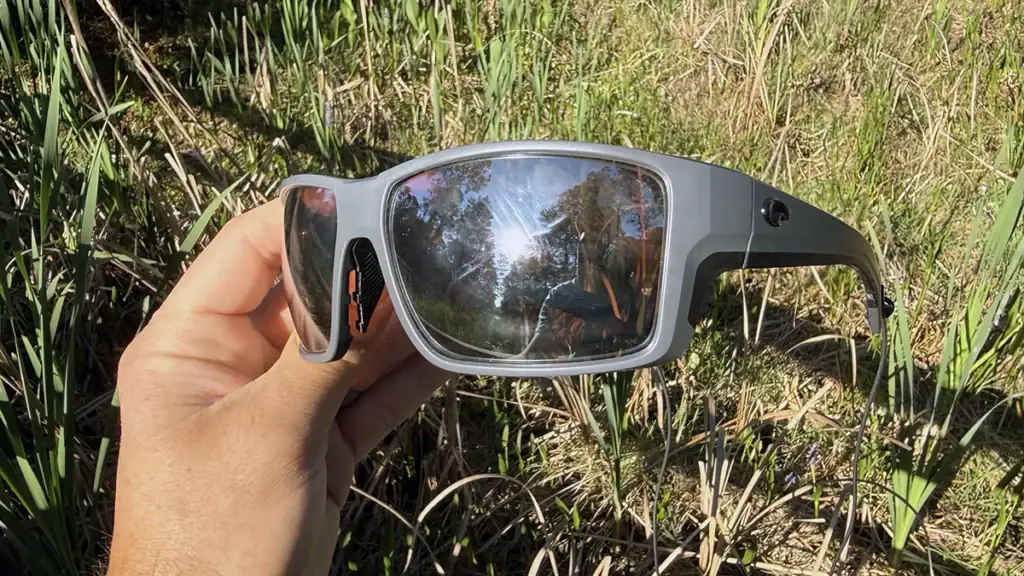
Costa Del Mar Reefton Pro
In the continental US, sight fishing is probably most well-known in spots like the Florida Keys or Louisiana’s massive marsh system. And I use my Reefton Pros when exploring any of these waters, including Florida Bay, Venice, or Canaveral National Seashore. I’ll also hop over to Florida’s St. Johns River, Lake Toho or Headwaters and use the exact same pair of glasses to spot bass in the shallows.
Think of the Costa Del Mar Reefton Pro as a high-definition upgrade for your eyes that strips away the noise of the water’s surface. Using Costa’s 580G polarized glass lenses, these sunglasses act as a physical filter that selectively blocks harsh yellow light and blinding glare, effectively turning the water transparent. It’s the difference between guessing where the fish are and actually watching a strike happen.
Beyond the optics, the Reefton Pro has eyewire “sweat channels” to prevent moisture and fog from clouding your vision. By locking onto your face with adjustable, high-grip Hydrolite, these glasses stay positioned, even while running the boat. For more, read the complete Costa Reefton Pro review from Wired2fish.
Best For Offshore Fishing
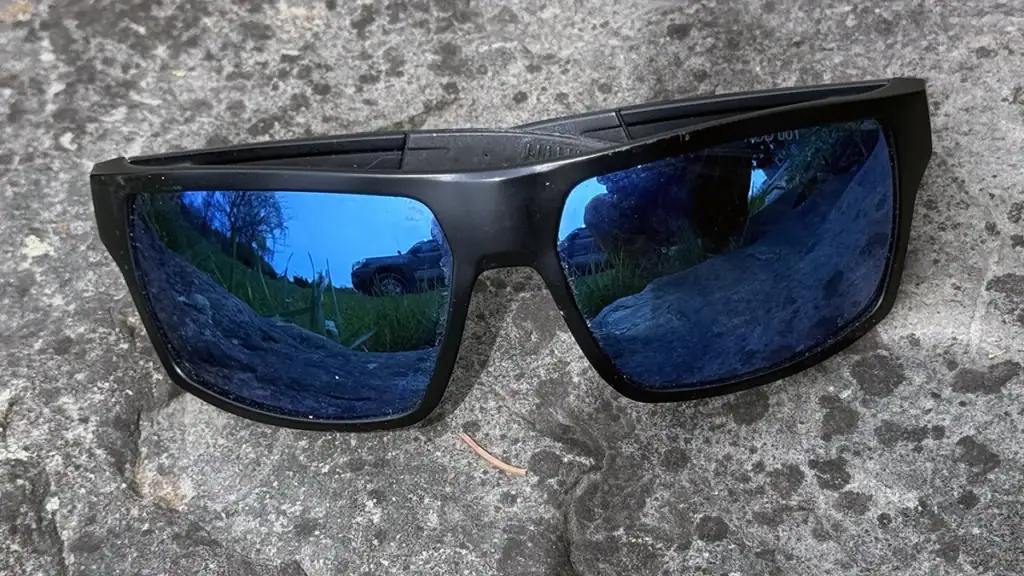
Fin-Nor North Drop
I was not familiar with the Fin-Nor sunglasses, mostly because Fin-Nor has always been known for its classic offshore reels, such as the classic Fin-Nor Ahab, Marquesa and Santiago. But in 2022, Fin-Nor produced a collection of dedicated sunglasses, including the North Drop frames. With the North Drops, anglers can enjoy sharpened vision and reduced eye strain for a better visual on the water, thanks to Fin-Nor’s Lateral Line Lens Technology. They feature a premium 7-layer anti-reflective coating on the glass lens and 5-layer anti-reflective coating on the polycarbonate lenses to prevent glare on the backside of the lens.
These large frames are constructed with bio-resin, and they cover my viewing area perfectly. They feature adjustable and easily replaceable nose pads, and tacky flexible side arms with dual-direction hinges for a perfect fit no matter what face shape. The arms can be adjusted to have a tighter or looser fit and the lenses were very clear.
They are a great pair of sunglasses for a demanding angler. I thought they were comfortable, stayed where they were supposed to with no-slip pads, and offered great views into the water. And they feel like they will last many fishing seasons. The bad news is that Fin-Nor glasses are not around much anymore, although they can still be found at some retailers. – Jason Sealock
Best Clip-On Sunglasses For Fishing
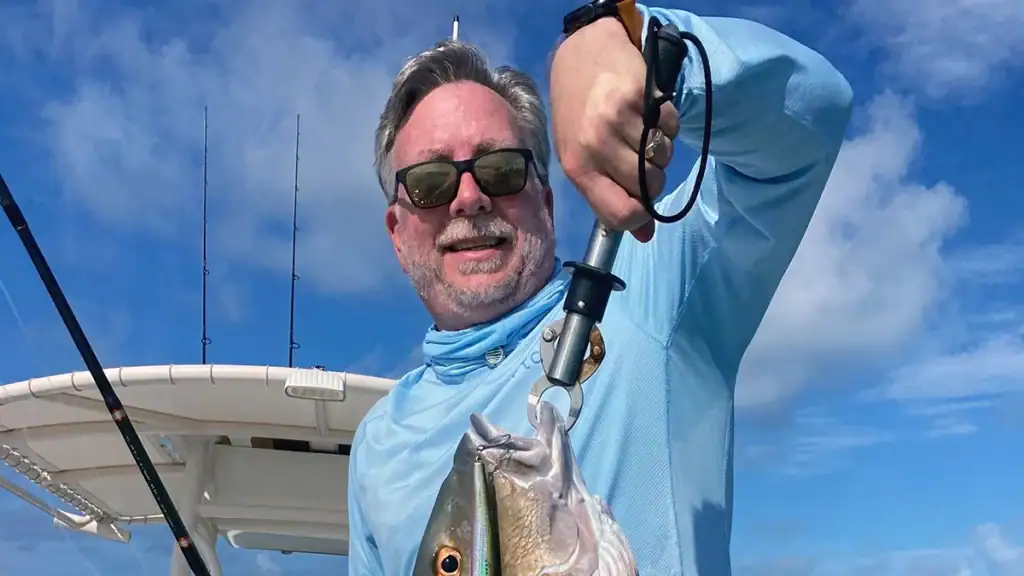
Hobie Duo Crescent
The Hobie Eyewear Duo Crescent is a game-changer for prescription-wearing anglers because it blends high-end optics with a clever magnetic attachment system. Unlike traditional, clunky clip-ons that use “claws” of some kind, the Crescent uses integrated magnets combined with a central hook to lock the polarized lenses flush against the frame.
This design provides a sleek, unified look that won’t fly off during high-speed boat runs. If interested, the base lenses feature blue-light-blocking technology to reduce eye strain when staring at sonar screens and GPS electronics all day. This is a good time to point out you’ll need to use the Hobie Duo Crescent frame for the clip-ons to work. That means you’ll need to get those prescription lenses from your optician or Hobie for the Duo Crescent frames.
Beyond the secure fit, these sunglasses offer pro-grade protection through Hobie’s HydroClean 360 coatings, which effectively repel salt spray, water, and oils for easy maintenance. Lastly, I need to point out that Hobie offers interchangeable clips; you can quickly swap between different tints for low-light mornings or bright offshore conditions.
Best For Women
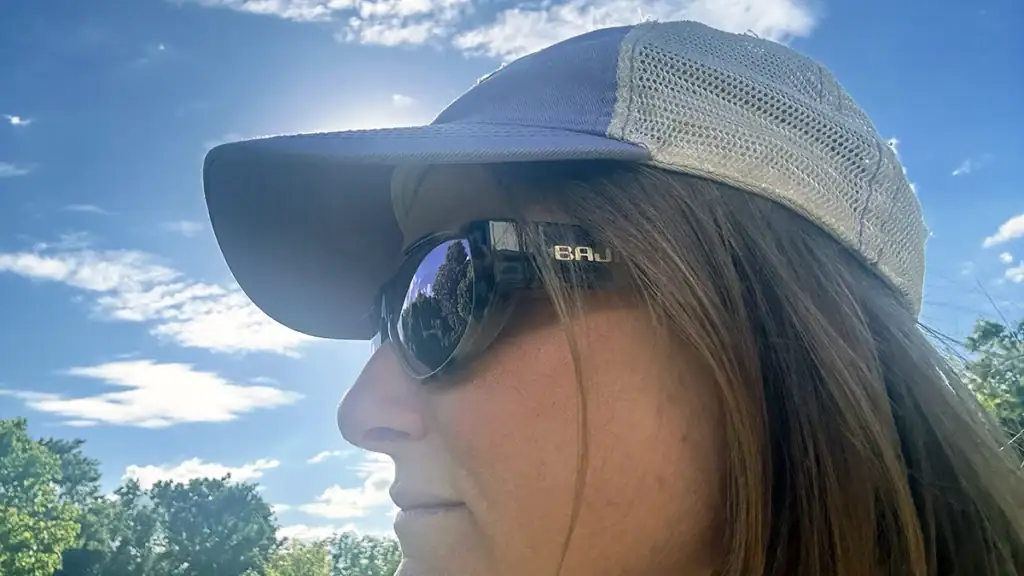
Bajio Coulee
The Bajio Coulee stands out because it actually stays on your face. My wife accidentally lost a pair of older sunglasses this year when they fell off her face while she was getting off a boat. The Bajio Coulee sunglasses replaced her lost pair. Most women’s fishing glasses are scaled-down versions of men’s frames, which leads to a bridge that’s too wide and temples that slip when you sweat. The Coulee model is built with a narrower bridge and a specific wrap that hugs the cheekbones without digging in. They use a bioresin material that’s significantly lighter than traditional plastic, so you don’t end up with those sore pressure points behind your ears after eight hours on the boat.
On the technical side, the lens tech focuses heavily on blocking violet and blue light, which is the primary culprit for eye strain. By stripping that out, the contrast is cranked up, making it much easier to distinguish a sandy bottom from a fish. They also include built-in interior “shields” that block light from leaking in through the sides. My wife noticed that the arms of her Coulee sunglasses are a bit thicker (read that as taller), so a brimmed hat sits slightly different on her head when she’s wearing them.
Best For Kids and Youth
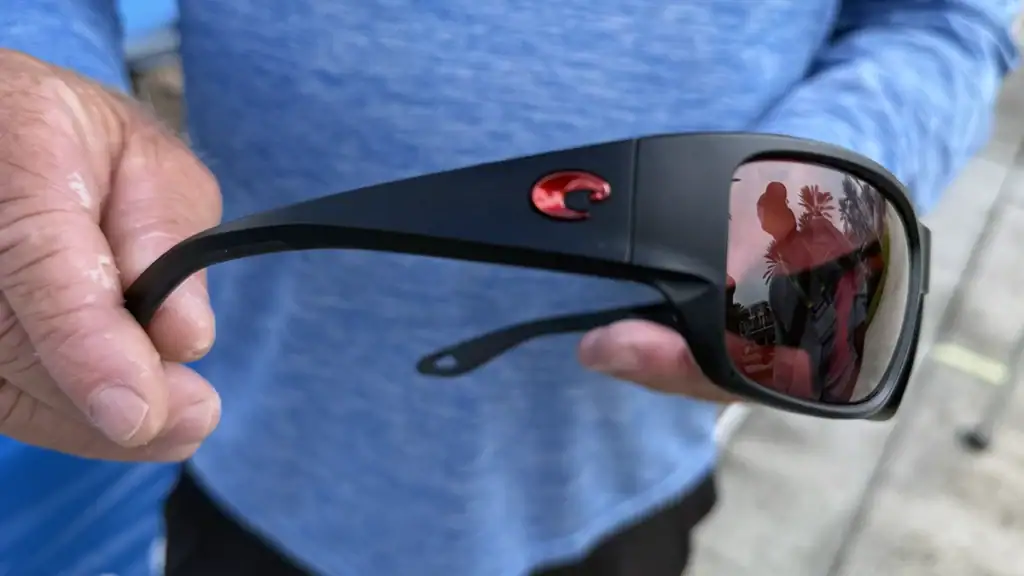
Costa Del Mar Schoolie
The Costa Schoolie is built to handle the chaos of a kid on a boat. Instead of using cheap, dark plastic that just dims everything, these use impact-resistant polycarbonate in the polarized lenses. This is a great safety consideration. The Schoolies are sized specifically for smaller faces, so they don’t slide down the nose every time your kid looks down into the water, and the frame material is light enough that they won’t get a headache.
The most practical feature is the rubber coating on the nose and ear pieces; it gets “tacky” when it gets wet, meaning the glasses stay put even if your kid is sweating. The frames curve tightly around the eyes to shut out side-glare, which is usually where most UV damage happens. Plus, the ends of the arms are shaped to easily attach a leash. Keep in mind, these glasses are not your typical kids shades, so expect a higher price when purchasing.
Best for Bass Fishing
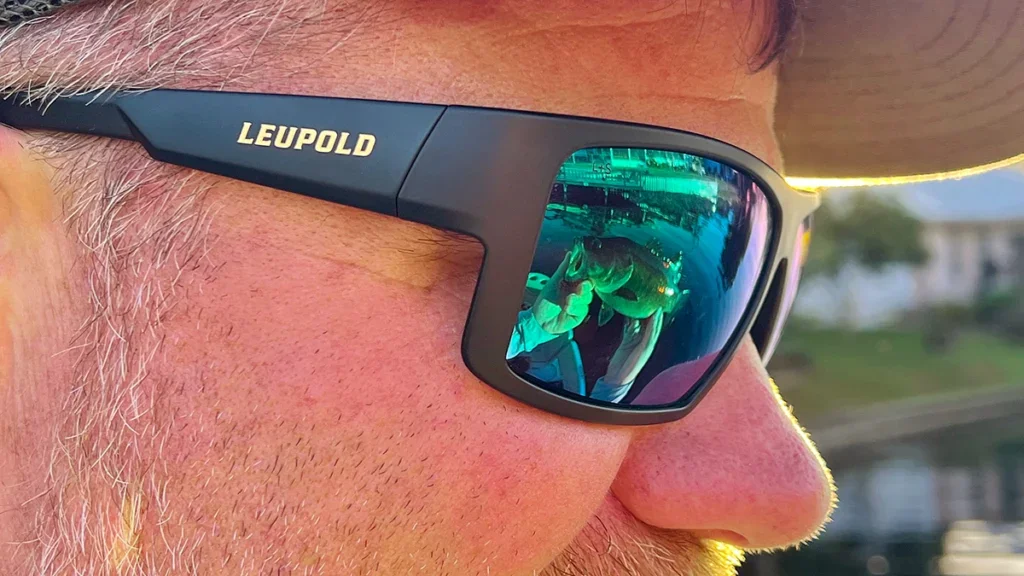
Leupold Switchback
The Leupold Performance Eyewear Switchback sunglasses stand out as a premier choice for bass anglers, offering a balance of fit, durability, and optical performance. Utilizing advanced polycarbonate lenses, these glasses provide a lightweight, shatterproof alternative to glass, complete with a Z87.1+ ballistic rating for high-velocity impact protection.
The lenses feature “infused polarization” layered within the material to eliminate surface glare without the risk of the film scratching off, while specialized Guard-ion and Diamond coatings effectively shed water, dust, and debris. Designed with a “decentered” field of view to maximize clarity and minimize distortion, the Switchbacks are also prescription-ready for those who require it.
On the water, the Switchbacks excel across various lighting conditions, particularly when comparing the emerald mirror lenses for bright sun against the Daylight Max lenses for overcast or low-light periods. Please check our complete review of the Leupold Switchback. — Shaye Baker
Features of Sunglasses
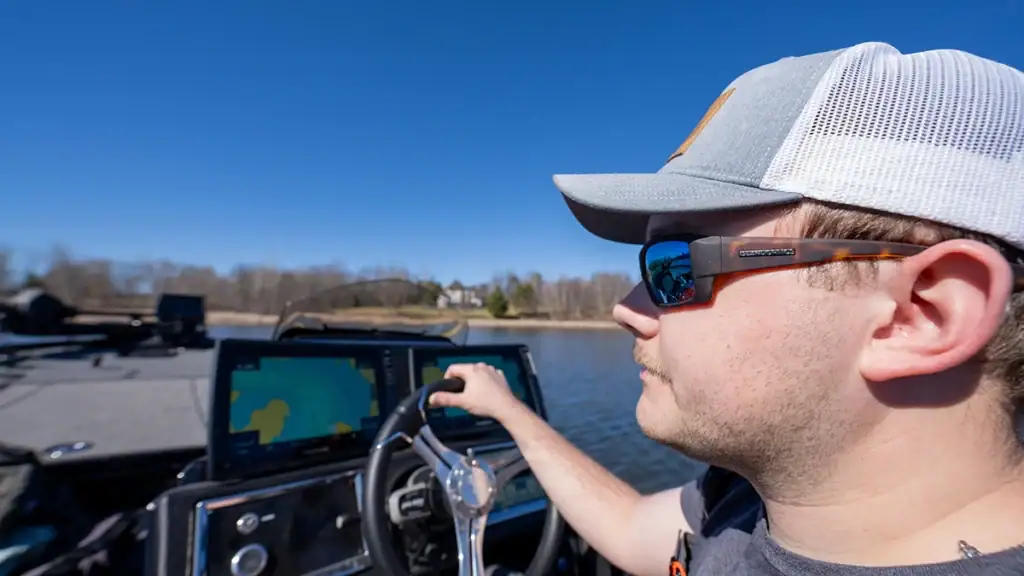
When trying to determine which will be the best fishing sunglasses for you, there are several factors to consider. For our tests, I focused on these following factors:
- Lens Clarity
- Polarization
- Light Blocking
- Fit / Comfort
- Durability
- Grip
Lens Clarity
Lens clarity has come a long way in fishing sunglasses, with the top models almost giving you superhuman vision on the water. Glass is typically clearer than polycarbonate, and manufacturers can do more with it, so a glass lens is always more expensive than plastic.
Polarized Lenses
Polarized lenses have the ability to cut reflected glare from the water’s surface so you can peer down into the water better. You also can add in degrees of protection from UVA and UVB lightwaves to reduce eye strain and fatigue over the long haul.
Light Blocking Abilities
Beyond the lenses, the frames can provide light blocking ability. If you let a lot of light in from the sides or below the frames, then you reduce the sunglasses ability to block reflective light and inhibit your ability to see on and in the water.
Fit and Comfort
Fit and comfort are based on the size of the frame relative to your head, as well as how the arms are shaped and how the nosepiece cradles the bridge of your nose. It’s often why it’s best to try on a pair of sunglasses if you can. If you wear a snap-back trucker hat and you button up all the holes you probably want a small or medium frame. If you button up 4-5 holes you probably want to look for medium-large frames. Finally, if you only button up the last two holes, you probably should look at XL frames or the bigger large frames.
Durability
The other thing that makes some glasses more expensive is the durability of the frames. You can make a pair of plastic frames for $10, but if you drop them or sit down on them by accident they are done. Companies have to juggle indestructible lenses and durable frames while still prioritizing fishing.
Grip
This is often overlooked by anglers. But if you’ve ever been on the water with your hands full with a big fish and your glasses keep slipping off your nose, you know how frustrating it is. So having good nose pieces and pads, good arms, and easy lanyard attachments are important.
How to Choose Your Sunglasses for Fishing
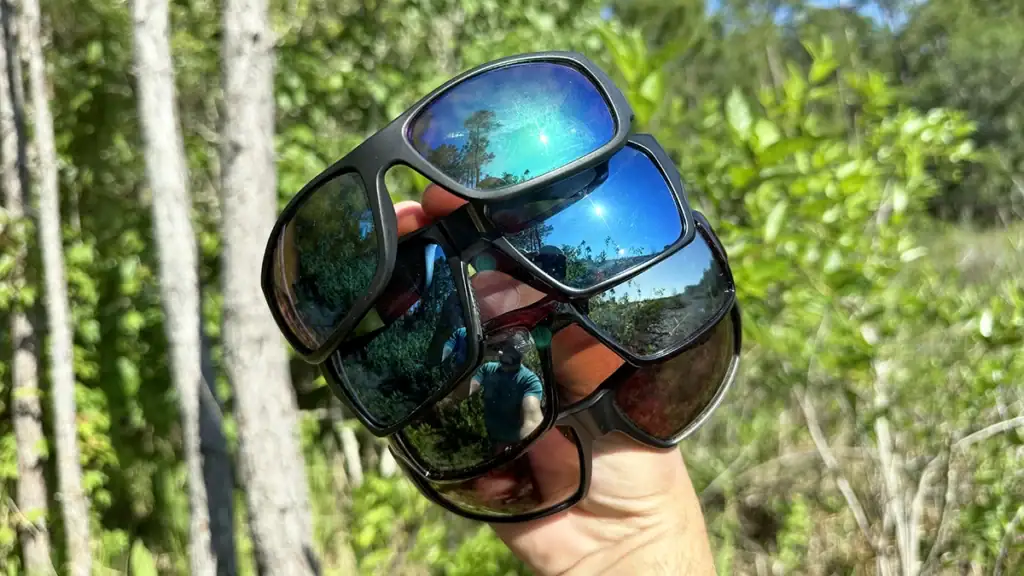
Choosing the perfect pair of fishing sunglasses starts with matching the lens color to the waters you fish: copper or amber lenses excel in shallow water because its ability to contrast fish from the bottom; gray or blue-mirror lenses are superior for the harsh sun of blue-water offshore fishing; and yellow sunglass lenses are your go-to option for low-light conditions and overcast days.
Shades fall into three different categories:
- There’s the budget options that sit securely under $50 that are treated almost like a disposable product — they’re used up quickly, trashed, and then another pair of sunglasses are purchased.
- Then you have the moderate sunglasses that are middle-of-the-road in price, closer to that $100 mark. They have some good features or specs, but probably not the best of the best. Still, I can consider this a budget option. This is where some sunglasses manufacturers could make hay targeting more anglers, as I think a sizable amount of fishermen might fall into this category.
- Finally, there’s the premium category. I myself have premium sunglasses from a number of different manufacturers that I swear by. These glasses range in the $200 range, give or take. This is a bit of a crowded space with top brands producing their own unique technologies to serve anglers.
Regardless of the price or color, polarization is an absolute must, as it cuts through surface reflections to reveal fish and structure beneath. For material, polycarbonate offers lightweight durability and impact resistance, whereas glass provides the ultimate optical clarity. But, remember that glass weighs more and it costs more. Finally, pick a frame that has a wrap-around design to block sun, but also some ventilation to prevent fog on the inside of the lens. Even better if you can find a sunglass company that will warranty those frames for an extended amount of time. Because as any angler will tell you, sunglasses do get beat up and repairs or replacements are sometimes necessary.
The Best Brands of Sunglasses
When you’re choosing your next pair of sunglasses, the best brand usually comes down to how and where you fish: cloudy or sunny conditions, UV index, clear or off-color waters, offshore versus freshwater, and other considerations. The brands below consistently get put to the test by bass pros, tournament anglers, guides, charter captains, and discerning anglers. Also, included are some brands that I might not have tested by Wired2fish, but are still quality options.
For example, Oakley and Smith often fall under that “lifestyle” label, but still produce great glasses. And Wiley X is known for its toughness and safety, with its background in the military. Gamakatsu recently introduced its GSPECX Performance Sunglasses, but at the time of this writing I had not yet been able to try or test them.